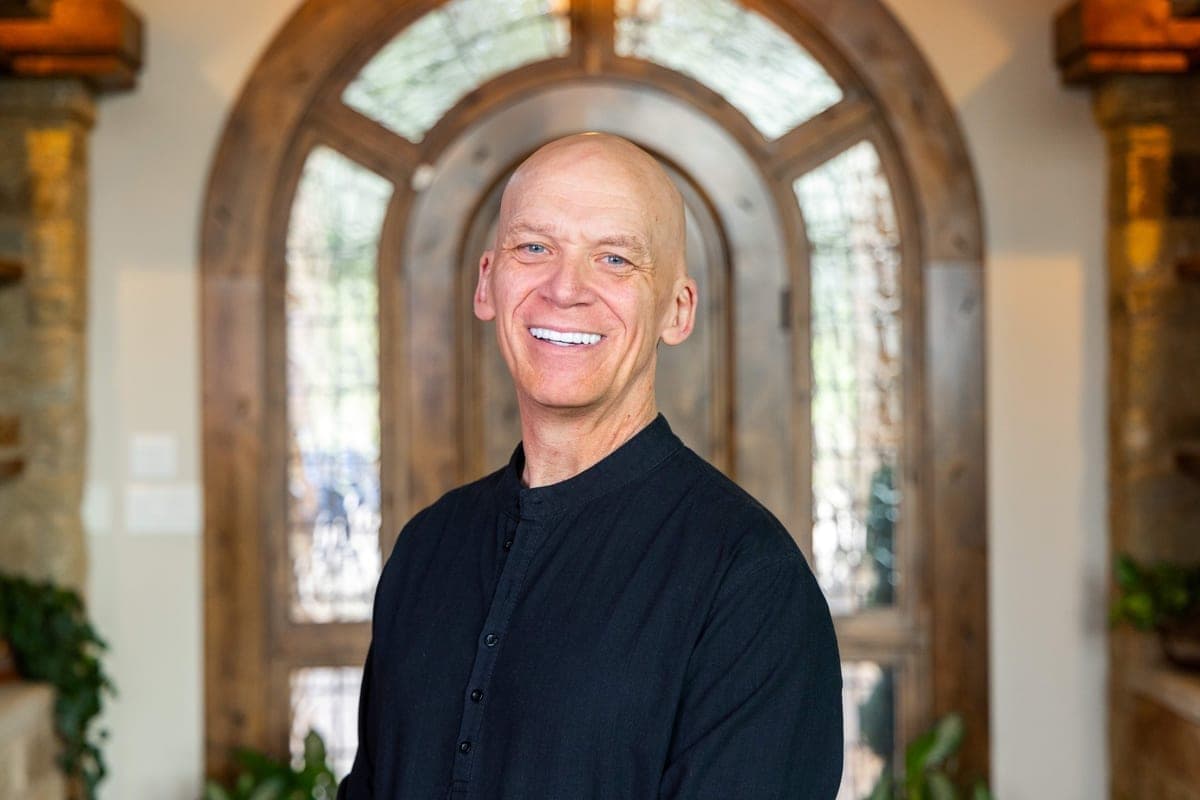
Dr. Dan Stickler, MD
Co-Founder & Chief Medical Officer
“We’re not treating disease. We’re designing optimal function. That’s a completely different orientation.”
There’s a genetic reason for that, and in this free certification-level lesson, you’ll learn exactly what it is.
Lesson 4.6: Nutrigenomics: Food as an Epigenetic Tool · 30–45 minutes · Full curriculum depth · Free
No credit card. Instant access on submission.
The pattern
You’ve had clients do everything right (hit their macros, eat clean, stay consistent) and still plateau. You’ve had two clients on identical protocols get opposite results. You’ve attributed it to compliance, stress, or hormones.
The genetics
The real explanation is genetic. PPARG shapes how a client processes dietary fat. FTO influences satiety signaling. APOE shapes cardiovascular response to the same foods. AMY1 copy number is associated with how well they digest starch. Two people sitting across from you can have very different nutritional biology, and a generic plan can’t account for that.
Who it fits
This lesson is for nutrition coaches, dietitians, and health practitioners ready to move beyond population-based guidelines and start building plans grounded in each client’s genetic profile.
Lesson 4.6 from the Mosaic Epigenetics Coaching Certification: same content, depth, and standard as every lesson in the program.
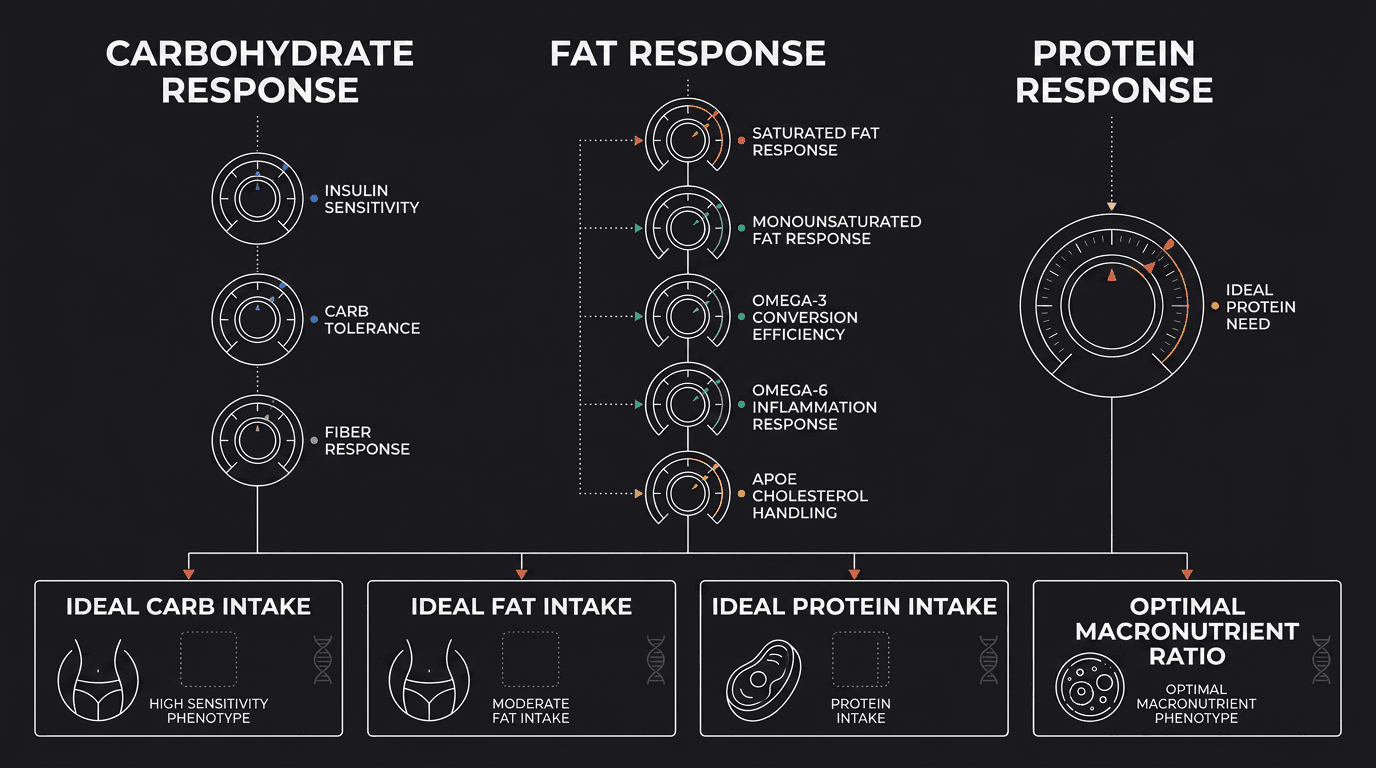
How variants shape fat partitioning, insulin sensitivity, and the macronutrient ratios that work for a specific client.
Why the same meal leaves one client full and another reaching for snacks two hours later, and what to do about it.
Why "heart-healthy" diet guidance is genotype-specific. The variants that change which fats raise vs. lower cardiovascular risk.
Starch digestion is largely genetic. The number of AMY1 gene copies a client carries is associated with how well they tolerate carbohydrate-heavy diets.
The point of the chapter: food doesn’t just feed the body, it tells genes when to express. Coaching application of that frame.
How to individualize meal planning, macro splits, and supplementation based on a client’s specific nutrigenomic profile.
Co-Founder & Chief Medical Officer
“We’re not treating disease. We’re designing optimal function. That’s a completely different orientation.”
Enter your name and email to get the full lesson: video preview, lesson handout, and an onboarding sequence introducing you to the rest of the curriculum.
Each one is a complete certification-level lesson from a different chapter.
The full certification is open for enrollment now.