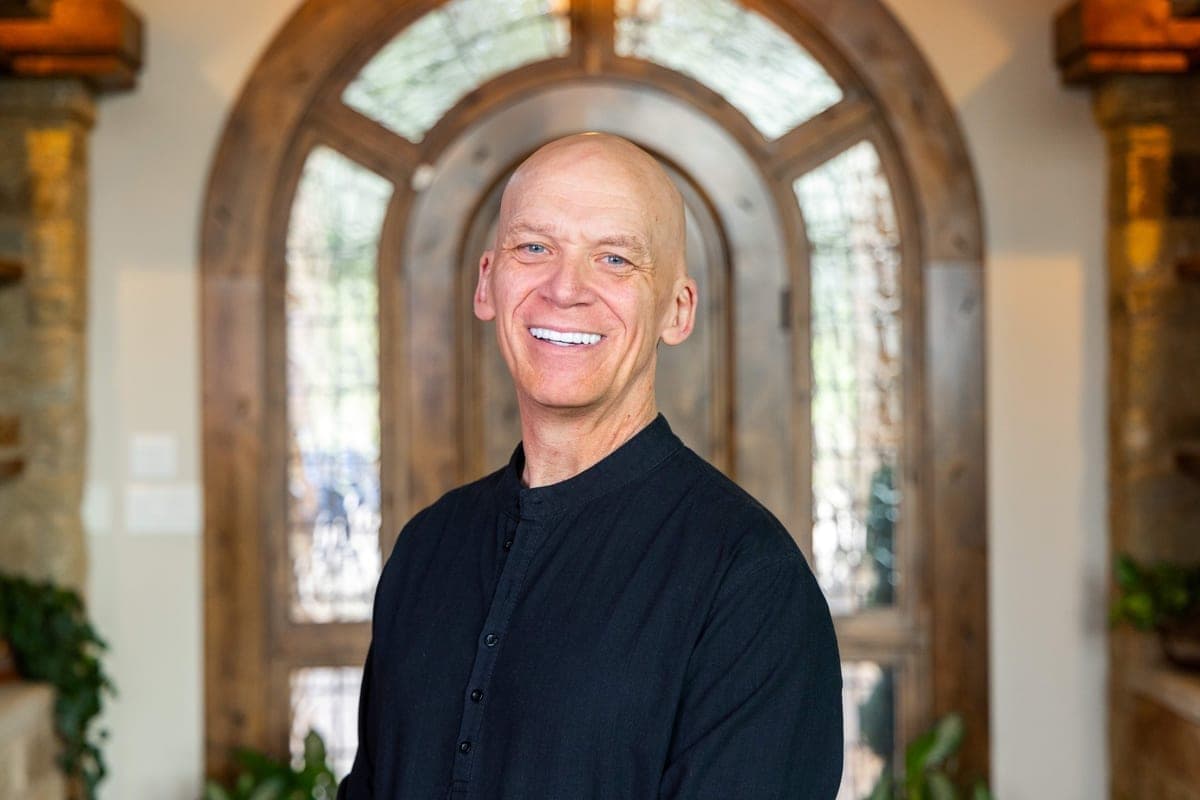
Dr. Dan Stickler, MD
Co-Founder & Chief Medical Officer
“We’re not treating disease. We’re designing optimal function. That’s a completely different orientation.”
Standard hormonal workups miss the genetic layer entirely. This free certification-level lesson shows you what the labs aren’t telling you, and what to do about it.
Lesson 10.5: Hormone Genetics & Epigenetics · 30–45 minutes · Full curriculum depth · Free
No credit card. Instant access on submission.
The pattern
You work with clients who have normal TSH, normal estradiol, normal cortisol, and still feel exhausted, mood-dysregulated, and hormonally off. Symptoms that have been attributed to stress, aging, or anxiety for years before anyone looked deeper.
The genetics
CYP1B1 and COMT shape how estrogen is metabolized and cleared. HSD11B2 governs cortisol conversion in peripheral tissues. DIO2 encodes the enzyme that converts T4 to active T3, which is why some clients feel hypothyroid despite normal labs. These are the genetic variables standard testing never measures.
Who it fits
This lesson is for health coaches, women’s-health practitioners, integrative-medicine clinicians, and functional-medicine providers who want a genetic-grade framework for hormone work.
Lesson 10.5 from the Mosaic Epigenetics Coaching Certification: same content, depth, and standard as every lesson in the program.
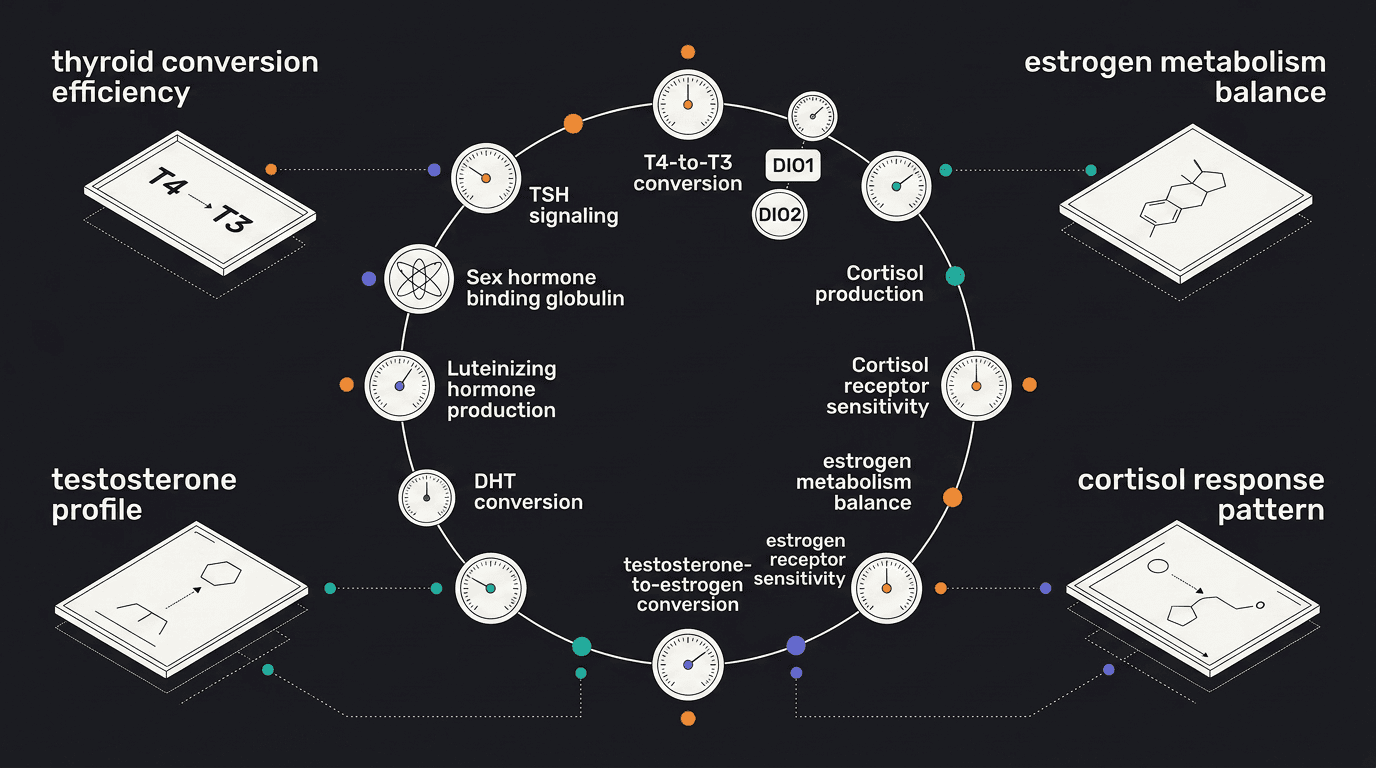
How variants shape which estrogen-metabolite pathway a client favors, and the downstream effects on hormone-related symptoms.
The enzyme that converts cortisol to cortisone in peripheral tissues. Variants are associated with cortisol-driven symptoms even when serum cortisol looks normal.
The enzyme that activates thyroid hormone in target tissues. Variants are associated with normal-lab hypothyroidism, when labs look fine but the client feels hypothyroid.
Estrogen-receptor variants that change how loudly a client’s tissue responds to the hormones already in circulation.
How environmental inputs interact with hormone genetics, and which clients are most susceptible to common endocrine-disrupting compounds.
How to translate hormone-genetic findings into nutritional, supplemental, and lifestyle protocols that actually move the needle.
Co-Founder & Chief Medical Officer
“We’re not treating disease. We’re designing optimal function. That’s a completely different orientation.”
Enter your name and email to get the full lesson: video preview, lesson handout, and an onboarding sequence introducing you to the rest of the curriculum.
Each one is a complete certification-level lesson from a different chapter.
The full certification is open for enrollment now.