Are You a Night Owl or Early Bird? Your DNA Knows
Whether you wake at 5 AM ready to go or do not feel human until noon is largely set by your genes. Clock genes like PER2, PER3, CLOCK, and CRY1 shape your chronotype, and it influences far more than sleep.
Part of Sleep Optimization and Circadian Health, one of the nine areas in your Genomic Lifestyle Optimization Report.
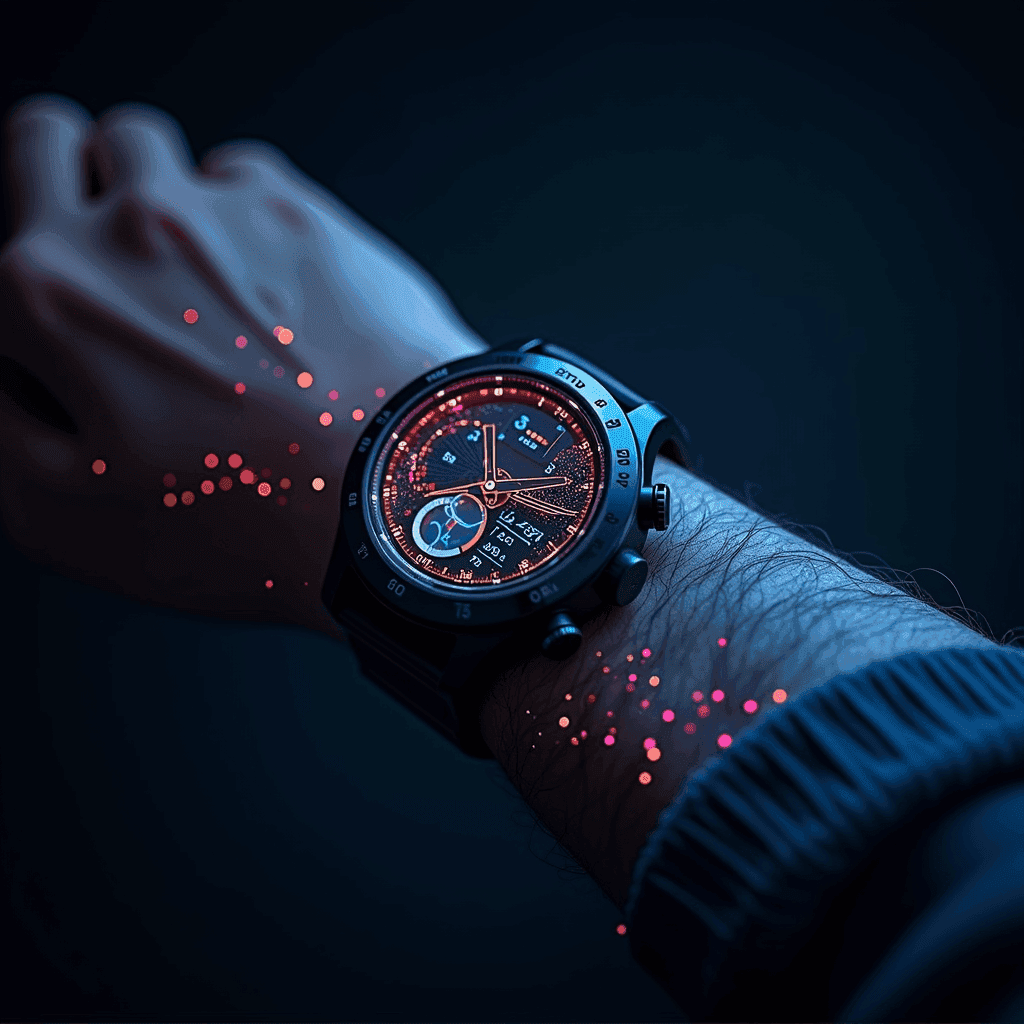
Whether you bounce out of bed at 5 AM or don't feel human until noon is largely set by your genes. Your circadian rhythm has a strong genetic component, and your chronotype influences far more than just when you feel sleepy.
Your circadian rhythm has a genetic component
Your body runs on an internal clock called the circadian rhythm. It regulates when you feel alert or tired, when your body temperature rises and falls, and dozens of other biological processes. And while light exposure and habits influence this clock, the baseline is largely set by your DNA.
Genes like PER2, PER3, CLOCK, and CRY1 influence your chronotype, whether you're naturally inclined toward mornings or evenings. Variants in these genes can shift your natural sleep-wake cycle earlier or later by hours.
Why this matters beyond sleep
Your chronotype doesn't just affect when you feel sleepy. It influences when your cognitive performance peaks, when you're most physically capable, when you digest food most efficiently, and even when medications work best in your system.
A night owl forced into a 6 AM workout routine isn't just tired; they're training at their biological low point. An early bird scheduling important meetings at 4 PM is doing deep work when their brain is winding down.
Working with your biology, not against it
Knowing your genetic chronotype helps you make smarter scheduling decisions. When should you tackle complex problems? When should you exercise? When should you eat your largest meal? Answers vary from person to person, and your genes provide real clues.
This doesn't mean you're locked into a schedule. Light exposure, meal timing, and consistent habits can all shift your circadian rhythm to some degree. But knowing your genetic baseline helps you understand how much flexibility you have, and how hard you'll have to work to maintain a schedule that doesn't match your biology.
The bottom line
If you've spent years feeling guilty about not being a morning person, or forcing yourself into routines that never quite stick, your genes might explain why. Understanding your chronotype isn't an excuse; it's information. You'll find your chronotype and related readings in the Sleep & Circadian Health section of your Mosaic report.
Want to see your own? The sleep optimization and circadian health area of your report reads the genes behind this post. Practitioner? Take the free Institute lesson on Stress Genetics.